
Apartment moves look simple on paper: fewer rooms, fewer boxes, shorter distances, but records can show a different story when unexpected moving issues arise without a detailed checklist. Then the lift booking falls through, the loading zone is taken, the hallway corner is tighter than you remembered, and strata has strict rules about noise, padding, and keeping fire exits clear.
A good apartment moving checklist or packing guide is less about ticking boxes and more about locking in access and declutter strategies, often facilitated by applying professional relocation services, especially focusing on essentials for managing the kitchen’s contents efficiently. When access runs smoothly, everything else tends to follow.
Start with building logistics, not boxes
Before you pack a single cupboard, consult your apartment moving checklist to get clear on how your building actually functions on move day, understand the role of the landlord in coordinating these activities, and check if particular utilities need to be managed during the moving process. Most apartment delays come from shared spaces: lifts, foyers, corridors, docks, storage areas, garages, and security doors, all of which require careful organization.
Many strata schemes in NSW require advance notice for move-ins and move-outs. Timeframes vary, yet it’s common to see anything from 72 hours to around 14 days. If you’re booking professional movers, align your budget with the building approval and then confirm the moving company’s arrival window to match.
After you speak with building management or the strata manager, capture the essentials in writing. A short email with the approved dates and conditions can save a lot of back and forth later, ensuring that the mail communication is clear and concise.
- Notice period: Ask how many days’ notice is required and whether a move-in/move-out form is mandatory
- Move hours: Confirm the allowed time window (weekday daytime is common) and any restrictions on weekends or public holidays
- Lift arrangements: Check whether you’re allocated a specific lift and whether lift pads or blankets are provided
- Insurance requirement: Ask if the building requires a public liability certificate from the movers
- Parking controls: Confirm where the truck can stop, whether bays can be reserved, and any garage height limits
Lifts: booking, capacity, and protecting common property
In high-rise buildings, the lift is the move. Without a booked slot, even the most organised crew can end up waiting, squeezing past residents, or being asked to pause entirely.
Book the lift early and match it to your truck time
Many buildings allocate a dedicated service lift (or a nominated passenger lift) for a set period to ensure smooth services. That slot should shape your whole plan: truck arrival, packing completion time, key collection, and any cleaners booked at the old place.
If your movers arrive early, they may still be unable to start moving if the building won’t release lift access until your slot begins. If they arrive late, you can run out of lift time, and the building may hand the lift back to residents.
A practical step is to request the booking confirmation and share it with your moving removalist.
Respect lift limits, or the lift becomes the bottleneck
Even with exclusive use, lifts have size and weight limits. These limits are not theoretical. Overloading can trip safety systems, cause delays, and raise immediate concerns with building staff.
Measure in advance:
- Lift internal dimensions (door width and cab depth)
- Your largest items (sofa length, fridge height, bedhead width)
- Hallway pinch points (corners near the lift lobby are common trouble spots)
If the lift is too small, there are still options: disassembly, different furniture orientation, stair carry with proper equipment, or in rare cases, an external hoist for oversized pieces. Your checklist should include a plan for the one item that doesn’t fit.
Protecting lifts and hallways is part of the checklist
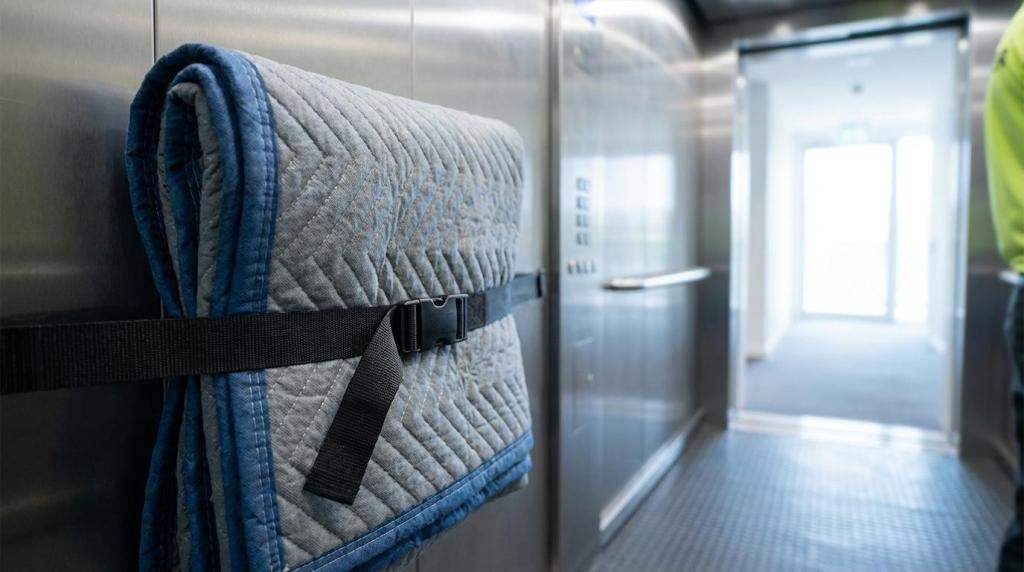
Most strata rules focus on minimising damage to common areas while moving. That means lift blankets or pads, floor protection, and keeping corridors clear. If the building provides lift pads, find out how they’re installed and who is responsible for removal after the move.
Professional movers often arrive with their own protection materials anyway. A1 Removalists Sydney, for example, commonly uses protective blankets, straps, and heavy-duty wrapping to reduce the chance of scrapes during tight access moves, along with trucks that suit different site constraints, and insurance to cover potential damages.
Access issues that catch people out (and how to prevent them)
Apartment access problems, including moving large pieces of furniture, are predictable, which is good news. By incorporating moving tips, you can spot most risks with a 15 minute walk-through of both dining and residential spaces in buildings.
Do a “front door to truck” route check at both ends
Walk the full route your items will travel, including the kitchen, bathroom, and bedroom, and consider if cleaning supplies might be needed for any messes along the way:
- Inside the apartment (door swing clearance, tight corners, kitchen access, bedroom entryway)
- Hallways, lift lobby, and utilities
- Consider the moving logistics of the lift itself, accounting for whether the budget allows for additional resources if necessary, and ensure you have the essentials for the move.
- Building exit points (ramps, steps, foyer turns)
- The moving distance to where the truck can legally stop
If there’s a security door that auto-closes quickly, note it. If there’s a steep ramp from the garage, note it. If there’s a narrow gate, note it.
One sentence that belongs on your checklist: If the movers can’t park where you assumed, how far will every item be carried?
Parking and loading zones are often the real constraint
Many Sydney buildings have limited kerb space, strict council enforcement, or underground garages with low height clearance. A larger moving truck may not fit into the basement at all, even if there is a loading bay.
Ask building management where removalist trucks usually stop, especially if you are using relocation services. If a bay can be reserved, request it. If the truck must stay on the street, confirm whether cones or a temporary no-parking arrangement is allowed, and who is responsible for organising it.
If you’re moving out of a busy area, build time into the schedule for finding legal stopping space and consider additional insurance for any unexpected delays.
Security rules can slow the start
Some buildings require sign-in at reception, visitor passes, or an access fob to reach lift levels, and may even need mail delivery protocols to be followed for access. If movers arrive and cannot get past the front desk due to organization procedures, the clock is still ticking on your moving schedule.
Add these to your pre-move checklist and share them with your landlord to help declutter the moving process:
- Arrange lift keys or fobs for the booking window, especially if it’s needed for access to dining and other common areas
- Share mover details with reception if required
- Confirm whether the loading dock has a separate entry protocol
A practical access worksheet (copy into your notes)
The simplest way to keep apartment move records, apartment moving checklist, cleaning supplies, services, and your packing guide under control is to document access decisions early, especially considering any constraints related to the kitchen. This table works well as a shared reference between you, building management, and your movers.
| Checklist item | What to confirm | Who to confirm with | When to lock it in |
|---|---|---|---|
| Lift booking | Which lift, what time slot, any key needed | Building manager / strata manager | 1 to 2 weeks ahead where possible |
| Lift protection | Pads/blankets provided or required, who installs | Building manager / caretaker | With the booking |
| Allowed move hours | Weekday window, weekend/public holiday rules | Strata / building management | Before booking movers |
| Loading zone | Exact truck stopping point, bay reservation options | Building manager | Before moving day |
| Garage clearance | Height limit, ramp width, turning space | Building manager + removalist | Before choosing truck size |
| Corridor rules | No storing in hallways, fire exit clearance | Strata / building notices | Before packing day |
| Insurance documents | Public liability certificate requirement | Strata / building management | Before move approval |
| Large item plan | Disassembly, stair carry, alternate access | Removalist | During quote stage |
Packing for apartments: less volume, more precision
Apartment packing is often about controlling clutter, managing essentials, maximizing storage, and applying moving tips while protecting shared spaces and carefully maneuvering furniture. You might have fewer boxes, yet you’ll be moving through tighter areas with less room to stage items.
Pack to keep pathways clear
In a house, you can stack boxes in a garage or a bathroom. In an apartment, stacking often blocks access or breaches building rules, especially during the moving process.
Aim for a packing approach that keeps the floor plan usable:
- Consolidate boxes into one room near the entrance (if it doesn’t block egress)
- Break down cardboard quickly so it doesn’t spread into hallways
- Label boxes with destination rooms, such as the kitchen, to reduce time spent in corridors and lifts during the moving process
If your building has strict rules about rubbish rooms or chutes, plan how packing waste will be removed without causing blockages.
Prepare furniture for tight corners and short lift rides
Apartment moves reward early disassembly, especially when moving large, bulky items of furniture, as effective organization and a checklist can significantly streamline the process. Remove legs from couches where possible, take mirrors off dressers, and detach bedheads in the bedroom. Bag screws and tape them to the relevant item.
For fragile or high-scratch surfaces, wrapping and storage matters. Many professional crews use moving blankets and shrink wrap to keep items stable during lift travel and while passing door frames. It’s not only about protecting your furniture; it also reduces the chance of marking walls and lift doors.
Move-day run sheet: timing, etiquette, and speed
A calm apartment moving day has a rhythm: protect, clear, carry, reset, ensuring you have all the essentials for a smooth transition.
Build a short run sheet, include moving tips, a packing guide, and an apartment moving checklist with essentials to share with anyone helping, while keeping the budget in mind.
Keep a small essentials kit on you, not in a box, especially if you anticipate needing kitchen items like dining utensils or mail quickly. That includes:
- Keys and fobs
- Phone charger
- Lift booking confirmation
- Water and snacks
- Basic tools (Allen key, screwdriver)
- Painters tape and a marker
If you’ve booked professional movers, confirm the relocation services offered, truck size, and crew number in advance. A larger crew can reduce total time in common areas, which many buildings appreciate.
Keep the lift moving, not the hallway
In most buildings, leaving items in corridors is discouraged or not allowed, and it’s important to check with your landlord about any specific rules they might have. Treat the lift lobby as a transit point only, not a staging area.
If the lift doors are held open with a key or building setting, use it carefully and with permission. Keep fingers clear, avoid wedging doors with random objects, and follow the building’s instructions.
Be a good neighbour while still moving efficiently
Noise travels in apartments. Keep voices low in hallways, avoid dragging items, and protect floors so trolleys roll smoothly.
If building management asks for a quick pause to allow resident access, it’s usually worth cooperating. A cooperative move tends to stay on schedule because staff are more willing to help with practical issues like door holds, dock access, or directing the truck.
Cleaning, handover, and getting your bond (or goodwill) back
Apartment moves end with shared space responsibilities. Many strata by-laws place liability for damage, cleanliness, the proper disposal of cleaning supplies, utilities management, and having appropriate insurance on the resident moving in or out.
Before you return lift keys or sign off with management:
- Do a quick walk-through of the lift, lobby, and corridor route
- Remove all tape, cardboard, and protective floor coverings
- Check for scuffs or marks and report them promptly if they occurred
If you’re moving out of a rental, this is also the moment to confirm your own unit is empty, swept, and ready for any final inspection.
A well-run apartment move feels almost quiet: booked access, protected surfaces, clear routes, and a team that treats shared spaces with respect while ensuring the moving process is smooth and efficient. If you’d like professional support, A1 Removalists Sydney regularly assists with apartment relocations across Sydney and can plan around lift bookings, strata rules, and the access realities that make apartment moves unique.


