
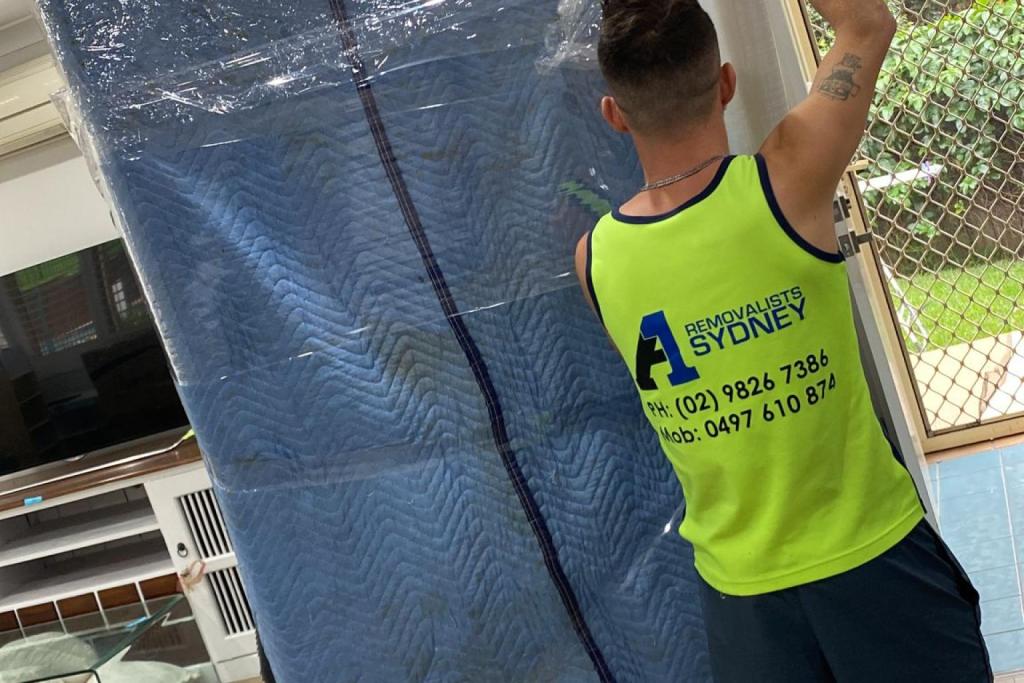
Choosing between moving and storage companies Sydney-wide is rarely just about price. A1 Removalists Sydney is an AFRA-accredited removal and storage company serving local moves, regional NSW relocations and interstate customers, so this guide focuses on the practical checks that matter before you book.
The right questions can tell you far more than a low quote. They show whether a mover explains insurance, truck size, storage handling and fees clearly enough to avoid problems later.
TL;DR: Summary
- The best questions to ask moving companies cover accreditation, insurance, quote type, truck size, packing services, item protection, extra fees and booking terms before you compare price.
- For removalist insurance and accreditation, ask whether the mover is AFRA accredited, what Public Liability and Goods in Transit cover applies, and what exclusions sit in the terms.
- A clear moving and storage quote should state whether pricing is fixed or hourly and whether GST, call-out fees, tolls, stairs, packing materials, storage charges and heavy-item handling are included.
- A1 Removalists Sydney is relevant here because it is AFRA accredited and states key cover details and applicable costs before booking, which is the level of clarity customers should look for from any provider.
- If access is tight, transport is needed, storage is involved, or any item weighs about 80 to 100 kg or more, disclose it early so the right crew, truck and equipment can be arranged.
- When comparing moving and storage companies Sydney, residents should judge service quality, communication, logistics, clearly explained fees, and how stress-free the process is, not just the cheapest figure.
If you are comparing professional Sydney removalists for a house move, apartment relocation, office job or storage transfer, these seven questions give you a fair way to compare like for like. They are just as useful for local removalists in the Inner West as they are for interstate removalists heading from Sydney to regional NSW, Melbourne or Brisbane.
Why is price alone a poor way to compare moving and storage companies?
Price alone is a weak comparison tool. A cheap quote from one mover and a detailed quote from another are not equal if the service scope, truck size or storage handling terms are different.
A low figure can look attractive until moving day brings stairs, long carrying distances, call-out fees, tolls or storage handling charges that were never discussed. This is why many hidden removalist fees show up after the customer assumed two quotes covered the same thing.
The better comparison is value against scope. Ask what equipment is used, how furniture is protected, whether dismantling is included, whether storage handling is charged separately, whether storage solutions are offered, and how timing is measured on hourly jobs. A quote for a terrace house in Paddington with narrow stairs is not directly comparable with a ground-floor move in Blacktown, even if both are two-bedroom homes.
One common mistake is assuming the cheapest rate means the lowest final bill. If the crew is too small or the truck is undersized, the moving process can take longer and cost more.
Are you accredited and insured?
Yes, this should be one of the first checks. AFRA accreditation and written insurance details are strong indicators that a mover treats training, process and risk management seriously.
When you ask about removalist insurance and accreditation, separate the two issues. Accreditation speaks to standards and operating practices. Insurance speaks to what financial cover may apply if a specified event occurs. Both matter, and neither should be assumed from a website headline alone.
With AFRA-accredited removalists, ask whether accreditation is current and what services it covers. Then ask for the insurance position in plain English. Public Liability Insurance and Goods in Transit cover serve different purposes, so customers should ask what each one covers, where the limits sit and what exclusions or conditions apply.
“A1 Removalists Sydney is AFRA accredited and carries $10 million Public Liability Insurance, with Goods in Transit cover up to $100,000 for specified events.”
That type of detail is useful because it gives customers something concrete to assess. In this case, specified events include collision, overturning, fire and flood, but customers should still read the applicable terms carefully. A common misconception is that any damage or loss of any kind will always be covered automatically. That is not how insurance usually works. If you have unusually valuable items, fragile artwork, or goods going into longer-term storage, then it makes sense to ask whether additional insurance is needed.
What are the 7 questions to ask moving and storage companies?
These seven questions cover the main decision points. They help you compare service quality, storage processes and pricing structure without relying on guesswork.
Before you request or accept a moving and storage quote, especially when considering the use of containers, keep this shortlist handy:
- Are you accredited and insured? Check AFRA status, Public Liability cover, Goods in Transit cover and the policy terms.
- Is the quote fixed-price or hourly? Confirm what is included, what may vary and how time is measured.
- What size truck and how many movers will I need? Match the crew and vehicle to volume, access and heavy items.
- Do you provide packing and furniture dismantling? Ask what can be packed, wrapped, dismantled and reassembled.
- How will my belongings be protected during the move and storage? Look at blankets, shrink wrap, boxing and storage handling.
- Are there any additional fees? Check stairs, long carry, tolls, balcony lifting, storage handling and card surcharges.
- What are the deposit, cancellation and rescheduling terms? Get the payment timing and refund conditions in writing.
Is the quote fixed-price or hourly?
It depends on the job, and both models can be reasonable. What matters is whether the quote states the pricing method clearly and lists every major inclusion and exclusion.
A fixed-price move can suit well-scoped jobs where access, timing, and house inventory are already clear, making the process more stress-free. An hourly quote can suit local jobs where the scope may change, or where access issues in suburbs like Surry Hills or Balmain can affect loading time. Neither model is automatically better. The wrong model is the one you do not fully understand.
Step 1: confirm the pricing model. Ask whether the quote is fixed-price or hourly, and whether that applies to both the moving and storage components.
Step 2: check the cost lines. Ask whether GST, call-out fees, minimum booking time, tolls, stairs, heavy items, packing services, packing materials and storage charges are included.
Step 3: ask what can change the final bill. If the inventory grows, access is harder than described, or packing takes longer than expected, then extra charges may apply. That is not unusual, but it should be explained before booking, not after the truck is loaded.
Under Australian Consumer Law, clarity matters. A mover does not need to be the cheapest quote to be the fairest quote. It needs to explain the basis of the charge and the conditions that affect it.
What size truck and how many movers will I need?
The right truck, crew, and transport methods depend on logistics, volume, access, distance, and heavy items. A1 Removalists Sydney uses trucks from about 25 cubic metres to 70 cubic metres, which helps match vehicle size to apartments, homes, offices and warehouse moves.
Truck size is not just about how much fits inside. It affects how many trips may be needed, whether loading is efficient and whether the vehicle suits the property access. A large truck can save time on a substantial move, but not if the delivery address requires moving through a tight driveway, has low clearance, or restricted street parking.
Step 1: provide a realistic inventory. A room count helps, but an item list is better. A video walkthrough is often even better, especially for furniture removalists Sydney customers with bulky lounges, gym equipment or storage units to clear.
“A1 Removalists Sydney operates trucks ranging from approximately 25 m³ to 70 m³, helping match the vehicle to the job rather than forcing the job to fit the vehicle.”
Step 2: disclose access issues early. Tell the mover about stairs, narrow hallways, lift access, loading docks, timed building bookings and long carries from kerb to front door. A common mistake is mentioning these only on moving day.
Step 3: declare heavy items properly. If an item weighs around 80 to 100 kg or more, say so in advance. That may affect the number of movers, the truck choice, the equipment used and the time allowed.
Do you provide packing and furniture dismantling?
Yes, many local removalists and interstate removalists offer this, but the scope varies. You should ask what is included, what takes extra time and what needs specialist handling.
Packing and unpacking can save time and reduce damage risk when done properly. It is especially useful for kitchens, glassware, home offices and moves where storage solutions are part of the plan. Professional Sydney removalists should also be clear about whether they supply boxes, tape, wrapping materials and labels, or whether these are separate charges.
Standard furniture such as beds, tables, desks and modular lounges can usually be dismantled and reassembled. That said, not every item is simple. Gas-lift beds, antique pieces, wall-mounted televisions, oversized tables and specialist equipment may need extra labour, extra protection or a different approach.
A common misconception is that all dismantling is included as standard. It often is not. Ask which items are covered, whether reassembly is included at the destination and whether fragile components need special packing before they go into a truck or storage.
How will my belongings be protected during the move and storage?
Protection should be planned, not improvised. Blankets, shrink wrap, proper boxing, containers, and careful loading are basic expectations for any mover handling furniture and stored goods.
Furniture protection starts before loading. Sofas, timber tables, whitegoods and mattresses should be wrapped or shielded as needed. Fragile items like televisions, glass panels and artwork should be boxed or bubble-wrapped properly rather than tucked between loose items and hoped for the best.
If storage is part of the job, ask a second layer of questions, such as whether containers will be used to keep your items secure. Will the items be stored as loaded, or re-handled into another storage setup? Is handling into storage included in the quote? What protection applies while the goods are stored? If the storage period changes, then ask whether the storage rate or handling charges change too.
If you pack your own cartons, label fragile items clearly and avoid overfilling boxes to ensure a stress-free moving experience. A heavy book carton that bursts under load is not just inconvenient. It can damage the contents and slow the whole move.
Are there any additional fees?
Yes, there can be, and asking early is the best way to avoid surprises. Hidden removalist fees usually come from access, timing, special handling or service items that were never properly scoped.
Extra costs are not automatically unreasonable. The problem is lack of disclosure. If a move needs extra labour, special equipment or longer handling time, the charge should be explained before the booking is locked in.
Useful questions include:
- Call-out fees: Is travel to and from the job charged separately?
- Minimum time: Is there a minimum booking window for local removalists?
- Access costs: Are stairs, long carries, tight access or lift bookings extra?
- Heavy items: Do safes, pianos, large fridges or items over about 80 to 100 kg attract special charges?
- Storage costs: Are storage handling, inventory checks or redelivery charged separately?
- Other charges: Do tolls, balcony lifting, packing materials or card surcharges apply?
This is also where honest disclosure from the customer matters. If you mention the steep driveway, the fourth-floor walk-up or the oversized marble table upfront, the mover can plan for it properly.
What are the deposit, cancellation and rescheduling terms?
These terms should always be in writing before you book. A quote is not fully usable until the deposit, payment timing and cancellation conditions are clear.
Step 1: ask when the deposit is due and how much it is. Some moves are held with a deposit, while others may require staged payments for larger or interstate jobs.
Step 2: ask what happens if your plans change. If you cancel with enough notice, a deposit may be refundable. If you cancel late or move the date close to the booking, then part or all of the deposit may be forfeited. That is why the written terms matter.
Step 3: check the rescheduling process. Sydney moves often shift because of settlement dates, body corporate rules or lease timing. If the date changes, ask whether your rate, truck allocation or storage arrangement changes too.
One common mistake is relying on a verbal promise. Ask for the exact terms on the quotation or booking confirmation so there is a clear record of what both sides agreed to.
How should you compare moving and storage companies Sydney-wide?
Compare accreditation, cover, scope and clarity before price. The strongest moving and storage companies Sydney customers choose are usually the ones that offer comprehensive storage solutions and explain the job properly, not just the ones that quote quickly.
A useful comparison method is simple. Start with accreditation and insurance. Then compare the quote structure, truck and crew recommendation, packing scope, storage handling, packing services, item protection and extra-fee policy. If one mover is vague on several of those points, the cheaper figure may not be the better result.
This matters whether you are moving from a unit in Zetland, a family home in the Hills District, a house in Beecroft, or an office in Parramatta. The best professional Sydney removalists should be able to explain how the move and transport will work from first pickup to final placement, including any logistics and storage stage in between.
If you want a tailored moving and storage quote with clear pricing and practical advice for Sydney, regional NSW or interstate relocations, contact A1 Removalists Sydney to discuss your inventory, access details and timing before you book.


